
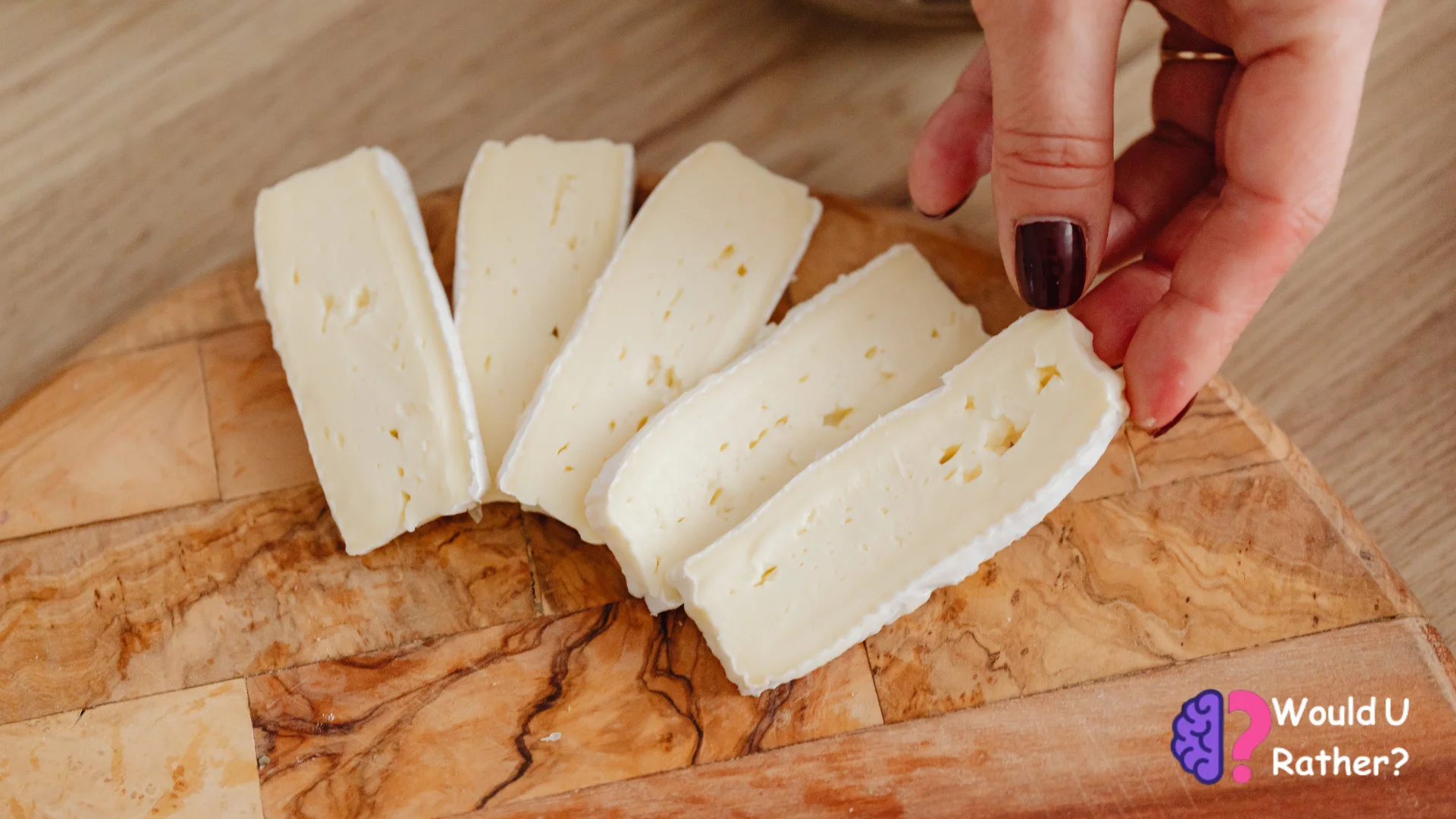
Grouse Cheese: A Gourmet Delight to Be Discovered
If you’re a foodie or gourmet, grouse cheese is a unique tasting cheese that is unlike mozzarella or cheddar. Its rustic and earthy flavor is derived from its traditional preparation methods. This bird shares a similar habitat with the grouse, adding to its charm.
Although less popular than other varieties, grouse cheese is gaining recognition and becoming a favorite among those seeking unique flavors and artisanal quality.
Grouse Cheese: What Is It?
There is a semi-hard, raw milk cheese called Grouse cheese that is made from raw sheep’s milk or mixed sheep and goat milk. This cheese is aged for at least three months and has an earthy, earthy flavor.
This semi-hard cheese is traditionally made in highland regions with rocky outcrops and heather fields, as well as unpredictable weather conditions. Taking its name from the grouse-inhabited environment, this cheese is made from sheep’s milk or mixed milk from sheep and goats.
There is a distinctive wild flavor, with hints of wild thyme, mossy earth, distant smoke, and alpine milkweed, depending on the grazing environment. The texture is firm, supple, with a golden-amber paste and a natural rind that can appear cracked.
Unlike mass-produced cheeses, grouse cheese is made in small batches on small farms to develop its unique flavors. It goes well with roasted grouse or other wild game dishes. As a true culinary delight, it is characterized by its gamey flavor and symbolic connection to grouse hunting.
History and Origin of Grouse Cheese
The origin of grouse cheese is unclear; instead, it emerged throughout northern European highlands. Because these communities shared similar environmental and pastoral conditions, cheese became a practical solution where milk transportation was challenging. This area’s altitude and seclusion created a unique environment for innovation and self-reliance.
It was a perfect blend of the Cairngorms in Scotland, the Vosges in France, the Trentino-Alto Adige region in northern Italy, and Rural Slovenia and southern Austria that led to its creation. In the early 20th century, farmers had limited tools, small herds, and a deep understanding of natural fermentation. Refrigeration was still a dream, so cheese was aged in root cellars or rocky caves.
Using cheesecloth to wrap the cheese, it was regularly flipped, rubbed with brine, and aged in cool, damp places, developing a robust rind and earthy flavor. Cold months were the perfect time to eat these cheeses, which often accompanied roasted meats, root vegetables, and hearty breads.
The cheese’s roots are deeply rooted in country dairy traditions, despite not having a Protected Designation of Origin (PDO). Grouse cheese was crafted by small dairy farms and homesteads in Scotland, Northern England, and parts of Canada.
It was also the regions where wild grouse hunting was popular that helped cement the cheese’s reputation. These cheesemakers aged their cheese in cool, damp cellars, where the flavor profile became unique. These isolated communities received a rewarding solution after a long process.

Grouse Cheese: A Step-by-Step Guide
Milk Collection and Preparation: The Fresh Start
As early as dawn, fresh milk is collected and handled carefully. It isn’t added to or chilled; it’s hand-filtered through cloth to ensure purity. It is used within a few hours of being collected to ensure its freshness.
The Magic Begins with Curdling
After curdling, wild rennet is added, usually derived from dried nettle or cardoon thistle, giving the cheese its distinctive taste. When the curds are allowed to set for up to 12 hours, they have completed the coagulation process.
Also check: Musté
Getting the Cheese Shaped: Cutting and Pressing
Curds are gently cut by hand, then pressed into muslin-lined forms and shaped using weights such as stones.
Adding flavor by brining and salting
To enhance flavor, some cheeses are infused with crushed juniper or yarrow to add an herbal note.
Bringing it all together: Ageing
In the final step, the cheese is aged on wooden shelves in a naturally cool environment, which can last anywhere from 3 months for a young Grouse to 18 months for an aged reserve.
Grouse Cheese: What Makes It So Special?
Origins of Wild Birds
The flavor of grouse cheese comes from the wild bird that makes it. Typically found in European forests and North American forests, this cheese has a distinct gamey flavor.
Profile of flavors
This gourmet pairing enhances any dish with its creaminess, saltiness, and depth of flavor. Grouse cheese pairs wonderfully with smoked gouda and aged cheddar.
Wild microbes and raw milk
Raw milk is a key characteristic of Grouse cheese, unlike most other cheeses, which are pasteurized prior to production. Raw milk’s wild microbial communities provide each wheel of grouse cheese with a richer, more complex flavor, which cannot be replicated.
A flavorful fodder foraged from the forest
Cheeses made from grouse cheese are characterized by their terroir-based complexity, which comes from the milk’s biodiverse diet, which includes wild herbs, lichens, and moorland grass. Natural diets contribute to a higher taste than factory-farmed dairy cows fed silage.
Natural mold and aging of the skin
Grass-fed grouse cheese is distinguished by its natural rind that is brushed or rubbed with peat ash to reference the cooking and heating traditions of the area. Rather than flaws, molds on the cheese’s rind add to the complexity of the cheese’s flavor as it ages.
Production in small batches
Grouse cheese is typically made in small batches. There are fewer than 500 wheels of grouse cheese made per season, often by multigenerational craftsmen. In the absence of scale and seasonal labor, quality is more important than quantity.
Grouse cheese has a number of culinary uses
Here are a few ways to enjoy grouse cheese. Grouse cheese’s unique flavor lends itself to a wide variety of culinary applications.
- Platters with cheese, fruit preserves, dark bread, and cured meats are a great combination.
- Grouse cheese melts well, making it ideal for gourmet burgers, pasta, and grilled sandwiches.
- A rustic salad can be made by slicing thin slices over arugula and roasted beets.
- For an extra layer of depth, incorporate it into savory muffins or scones.
Additionally, its strong flavor complements red wines, smoked meats, and even craft beers.
How to pair Grouse Cheese with Wine and Beverages
As a result of the robust flavor of grouse cheese, it pairs well with drinks that can stand up to its bold flavors. Here are some suggestions:
- Syrah or Malbec complement the earthiness of the cheese.
- Cheese is enhanced by port or sherry, which are fortified wines.
- The malty flavor of dark ales or stouts contrasts nicely with the tang of cheese.
- It’s surprising to discover that herbal teas can make a great non-alcoholic pairing.
Grouse Cheese: Where to Find It
In light of the increasing demand for grouse cheese, some specialty cheese shops and online gourmet retailers have begun carrying it due to its artisanal nature.
It is important to look for labels that provide information about the cheese’s origin, milk type, and aging process so that you can select the best version for you.
The best way to store and serve
You should store your grouse cheese in a cool place, ideally in your refrigerator’s vegetable drawer, wrapped in wax paper or cheese paper. Avoid plastic wrap as it can trap moisture and alter its taste.
Let the cheese come to room temperature for 30 to 45 minutes before serving. Doing so will bring out its full flavor and aroma.
What are the health benefits of grouse cheese?
The flavor of grouse cheese may not appeal to those who prefer milder dairy products. It is also usually made from unpasteurized milk, which is not recommended for pregnant women or those with compromised immune systems.
Grouse cheese, on the other hand, is sure to become a favorite among those who enjoy mature cheeses like Roquefort, Stilton, and Manchego.
How Does Grouse Cheese Taste?
Often compared to pheasants, grouse is a bird with a rich, earthy flavor and a unique complexity. However, it is slightly deeper and gamier in flavor. These birds roam freely in the wild, bringing with them a taste that expresses the essence of the wild.
Grouse’s taste is heavily influenced by its diet.
A wild bird’s diet includes berries, heather, and insects, which add layers of flavor to the meat. Its untamed taste reflects its life in the wild.
It is important to pair grouse with the right cheese. A mild cheese might overpower the grouse’s richness, while a bold one would complement it perfectly.
In order to bring out both the cheese and the grouse meat to their fullest potential, a balance must be found so that both flavors are enhanced without dominating one another.
Grouse Cheese: How to Store It
In order to preserve the quality of grouse cheese, it is important to store it properly. To ensure that the cheese stays fresh, wrap it in cheese paper or wax paper, which allows it to breathe. The cheese will not become too damp or lose its flavor. It is best to avoid using plastic, as it can trap moisture and affect the texture and taste of your food.
You should store your grouse cheese in your refrigerator’s vegetable drawer or cheese compartment if you want to ensure its freshness. These areas maintain a consistent and cool temperature, extending its shelf life. A cheese box can provide additional protection, as it creates a microclimate surrounding the cheese, extending its lifespan even further.
It is not recommended to freeze grouse cheese, as it changes the texture and degrades the flavor. Once opened, you should consume the cheese within 7–10 days to get the best flavor.
Grass-fed Grouse Cheese Pairings
Cheeseboards and dishes paired with grouse must create harmony between flavors. Grouse’s rich and gamey flavor needs cheeses that either accentuate or mellow it. The following are some excellent pairings for the grouse.
An aged cheddar is a great choice for this dish because of its sharp, nutty, and crumbly texture. The sharpness of this cheese will cut through the richness of the grouse.
A Spanish sheep’s cheese with a buttery texture, Manchego pairs beautifully with the deep, earthy notes of grouse to create a smooth, rich combination.
Its smoky undertones enhance the natural flavors without overpowering them, making this cheese a perfect accompaniment to roasted meats like grouse.
Adding Roquefort to your dish adds tanginess and boldness, contrasting the gaminess of the grouse with the tanginess of the cheese.
Last but not least, Gruyère offers a slightly sweet and salty flavor profile that’s ideal for melting. When melted, it enhances dishes like cheeseboards and grouse pâté.
If you’re looking to enhance or mellow the notes of your grouse dish, these cheeses provide excellent alternatives.
Creating a cheese dish using grouse
If you’re in the mood for a creative and fun dish, how about grouse and cheese tarts? They are perfect as starters at fancy dinners and as savory treats during brunches. Grass-fed grouse, aged cheddar, and Gruyère cheese make this a mouthwatering dish.
375°F (190°C) is the ideal temperature for baking puff pastry. Once the dough has been rolled out, layer it in your tart pan with onion marmalade. To get that creamy, melted perfection, grated Gruyère or aged cheddar is a must.
To give this tart an extra boost of flavor, add some fresh thyme. Make sure your oven is on when you are ready to put in the tart, and bake it for about 20 minutes. The combination of sweet, salty, and savory flavors will have your guests begging for more.
The richness of cheese, the tender grouse meat, and the crispiness of the puff pastry combine to create a tart that will surely impress.
Conclusion
With its rustic, earthy taste and traditional methods of small-batch production, Grouse cheese stands out from mass-produced cheeses due to its unique and bold flavor.
When paired with roasted grouse or other wild game, grouse cheese adds a distinct flavor to any dish. Whether you’re crafting a gourmet meal or simply enjoying it on a cheeseboard, grouse cheese is a true culinary treat.
A memorable dining experience can be enhanced by exploring cheeses like grouse, as well as other specialty offerings like Mannacote and Cervui.
Frequently Asked Questions
Does grouse cheese actually exist?
Cheese isn’t registered or mass-produced. It refers to a concept or pairing.
Grouse goes well with what type of cheese?
A variety of aged cheddars, blue cheeses, smoked gouda, and manchego cheeses are excellent choices.
Homemade grouse cheese spread is possible?
You can make a delicious dip with roasted grouse, soft cheese, mustard, and herbs.
How easy is it to find grouse meat?
UK and US specialty meat shops are more likely to offer this.
Can you describe the taste of grouse?
Stronger than chicken or turkey, rich, earthy, and gamey.
Can kids eat this dish?
It can be done if the cheeses are milder and the grouse is removed of any bones.