Kibard: Keyboard Misspelling and the Importance of Digital Interaction
Whenever we talk about typing and digital input devices, keyboard is a common term that comes up. We use keyboards to type emails, write documents, and play games. A common mistake people make is spelling “keyboard” as “kibard.” Since the two words are pronounced very similarly, it’s easy for this to happen. But before we get into what a keyboard is, let’s first clarify the terminology surrounding “kibard.”
Keyboard and Kibard Confusing
Frequently, “Kibard” is typed by people who mistakenly type “keyboard” or simply mispronounce it. Typists and voice-to-text software occasionally mistake the word “keyboard” for “kibard” because their sounds are similar enough. Apart from the spelling differences, neither term differs significantly from the other.
We can now turn our attention to the keyboard, the device we use every day.
How Does a Keyboard Work?
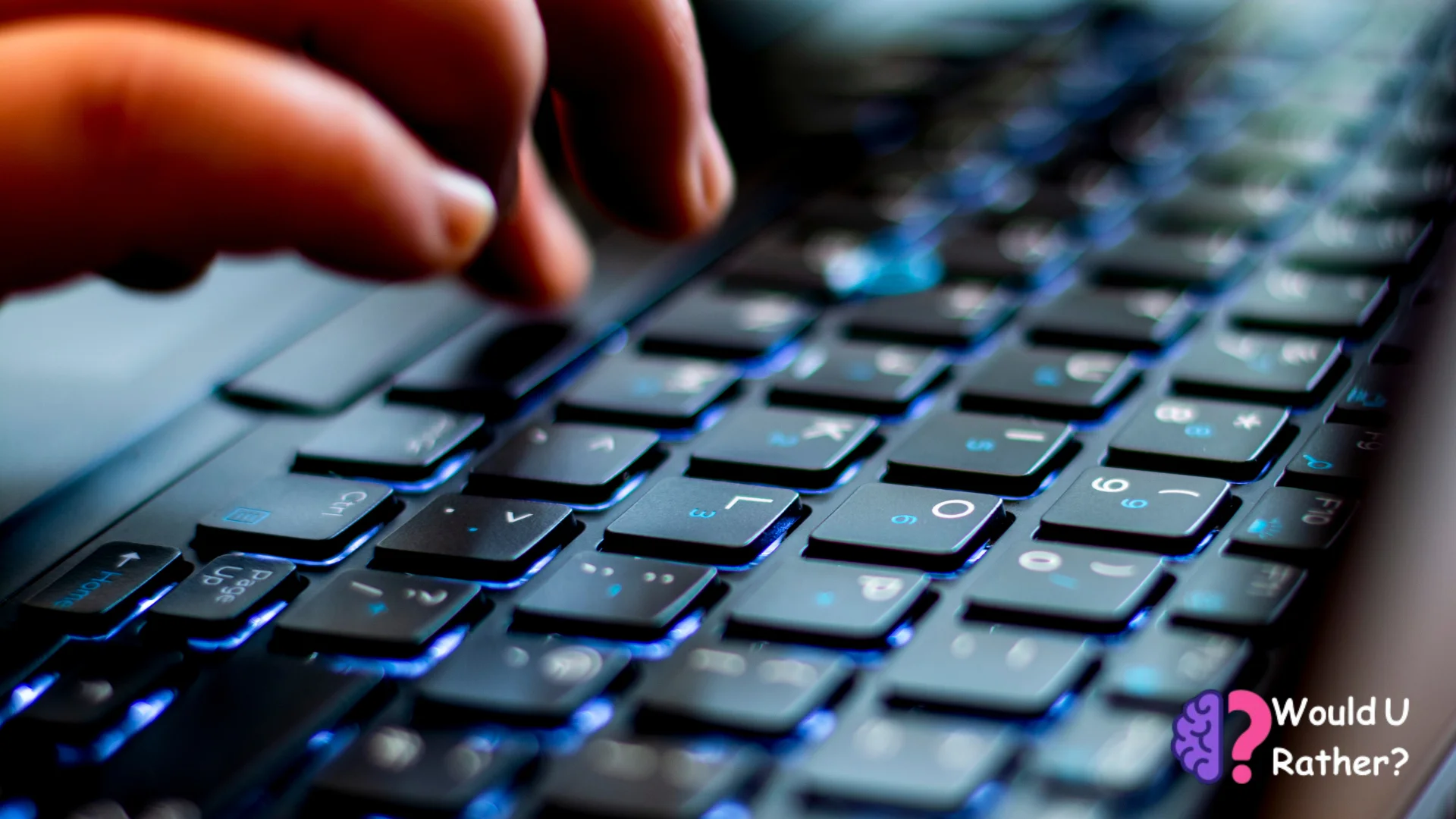
The keyboard is an input device that enables users to interact with their computers and electronic devices by pressing keys. It is an essential part of almost every digital interaction. In most devices, including computers, laptops, and smartphones (with on-screen keyboards), the keyboard serves as the interface between the user and the device.
A keyboard consists of keys corresponding to letters, numbers, symbols, and commands. When one key is pressed, the keyboard transmits a corresponding signal. It doesn’t matter how the keys are laid out and what they do, their purpose remains the same: to facilitate communication between the user and the computer.
How Keyboards Have Evolved
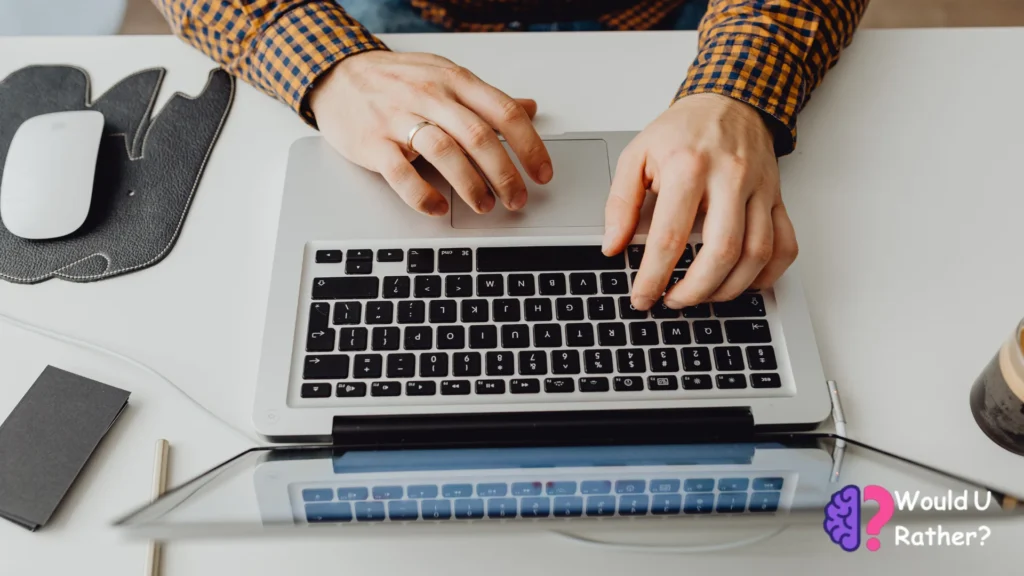
It was the typewriter, invented in the 19th century, that introduced the idea of mechanical typing with a number of keys to the computer keyboard we use today. We still use the QWERTY layout today because of the typewriter’s design, which aimed to reduce key jams by spacing frequently used letters further apart.
Early keyboards were bulky, mechanical, loud, and stiff, but over time, newer, refined, and quieter keyboards were developed with the rise of personal computers in the 1980s and 1990s. The two types of keyboards are membrane keyboards (which use membranes to register keys) and mechanical keyboards (which use individual switches).
Today, keyboards come in different styles, including ergonomic keyboards, wireless keyboards, and gaming keyboards with specialized keys and features. Keyboard layouts and concepts have largely remained unchanged despite technological advances.
Kibard-labeled products (and modern keyboards) stand out for their features
The following features define modern keyboard value, regardless of whether you search for “keyboard” or “kibard”:
- Type and tactile feel of the switch
- It is possible to achieve precise actuation and long life with mechanical switches (Cherry MX, Gateron, Romer-G).
- It is quieter and more affordable to use membrane and scissor switches.
- The form factor and layout of the device
- Our ergonomic split layouts are available in full-size, tenkeyless (TKL), 75%, 65%, 60%, and specialized ergonomic split layouts.
- The Internet
- In addition to USB (lowest latency), Bluetooth multi-device pairing is available, as well as proprietary RF dongles.
- Creating custom macros and customized templates
- Layers can be programmed and macros can be recorded. Onboard memory can store shortcuts and custom layouts.
- Affecting ergonomics
- Repetitive strain can be reduced by split keyboards, tenting angles, and wrist rests.
- Backlighting and aesthetics
- Gaming keyboards are often designed with RGB lighting and creative designs.
- Integration of AI & software
- Besides remapping and macros, companion apps can also update the firmware and offer AI features like text suggestions.
Mechanisms and Functions of Kibard
The following is the operation of a modern keyboard if you meant “kibard” as “keyboard”:
- Pressing a key activates a switch, either a capacitive or physical switch.
- Using the keyboard controller’s debouncing and scanning matrix, the controller determines what keys were pressed.
- Using HID protocol and host mapping, characters are mapped to keycodes sent via USB or Bluetooth.
- Keyboard firmware includes lighting, macros, and custom layouts.
Brand names containing “kibard” usually follow similar principles, although quality, build, or design may differ.
Also check: Nikki Hakuta
Keyboards’ Top Benefits (and Why Kibard’s Typo Still Matters)
- On-screen typing is slower than typing on a physical keyboard.
- A shortcut, macro, and ergonomic layout can increase productivity.
- Users with motor impairments can benefit from keyboards that are specially designed for accessibility.
- The gaming industry pays attention to mechanical switches, macro layers, and low latency.
- In the digital age, keyboards still play an important role in communication and creativity.
Industrial Applications of Kibards/Keyboards
- Data entry, communication, document production are all part of the business & office role.
- Educating students online, testing them in class, and providing them with devices.
- EMR input and telemedicine in healthcare.
- A macro-rich setup for complex workflows in the gaming and creative industries.
- Adaptive keyboards, voice-assisted keyboards, or large-key keyboards that all users can access.
Figures & Facts about the Market
- Approximately $8 billion was generated by the global keyboard market in 2024, with a modest increase projected for 2025.
- With steady growth projected, the digital keyboards market is expected to reach $1.4 billion in 2024.
- Gaming and hobbyists are driving mechanical keyboard sales faster than general keyboards.
- In typographical errors, such as “kibard,” single-edit patterns are predictable, explaining their frequency.
- The search behavior of users shows that over 20% of online searches contain typographical errors, which is why typo optimization is important.
How to Use (or Buy) a Keyboard – and Handle “Kibard” Content
Designed for content creators
- As the main focus, use “keyboard” but include “kibard” in FAQs.
- The “What is Kibard?” schema should be added to improve SEO.
- Building authority requires deep technical and historical knowledge.
- Users looking for a keyboard or understanding the term “kibard” may be looking for a keyboard. Capture their intent.
Shopping for consumers
- You should verify listings labeled “Kibard.” Most of them are keyboards with different spellings.
- Make sure your switch brand is reputable and is made from quality materials.
- Before purchasing, make sure you know the warranty and return policies.
Teams working on UX and development
- Incorporate typo tolerance into site search.
- Create auto-suggestional systems for common spelling mistakes.
- Keep an eye on user analytics to see how frequently “kibard” appears.
Everyday Use of the Keyboard
Whether you’re an office worker, a student, a gamer or a writer, the keyboard is one of the primary tools you use to communicate and interact with technology.
- You need a keyboard to type documents, compose emails, and even input data into spreadsheets. The speed at which you type, especially if you are a fast typist, depends directly on your keyboard.
- Whether it’s texting a friend or crafting a detailed business email, keyboards are the primary tool for writing. Social media, instant messaging, and emails allow us to express ourselves.
- Gamers rely on keyboards as their primary input device. Keyboards with gaming features like customizable keys, backlighting, and macro buttons enhance gameplay efficiency and enjoyment.
- It is essential for modern learning that students conduct research, type essays, and complete assignments using keyboards, whether they are in a classroom setting or studying from home.
- As a writer, blogger, content creator, or journalist, you use keyboards to create content. If you are writing a book, article, blog, or a screenplay, you need a keyboard.
What Kinds of Keyboards Are There?
A QWERTY keyboard layout is used worldwide, but not all keyboards are the same. There are several types of keyboards depending on the user’s requirements:
- Keyboards with mechanical switches feature tactile feedback and individual key switches. Many gamers and typists prefer mechanical keyboards because of their durability, customization options, and satisfying key press sensation.
- Unlike mechanical keyboards, membrane keyboards use a membrane layer that registers key presses. They are quieter and more affordable, but they don’t offer the same tactile experience.
- An ergonomic keyboard has a unique shape that promotes a more natural typing position, making it especially useful for people who spend long hours typing.
- Bluetooth keyboards connect wirelessly to computers, tablets, and smartphones, so they offer more flexibility and clutter-free workspaces.
- Designed specifically for gamers, these keyboards feature special keys, RGB lighting, and macro customizations.
- Using a virtual keyboard on a touch-screen device, such as a smartphone or tablet, can be more convenient and tactile than using a physical keyboard because it displays the keys on the screen.
Global keyboard layouts
In addition to the QWERTY layout, other regions and languages use different keyboard layouts:
- The QWERTY layout is the most common layout in English-speaking countries.
- A ZERTY layout is common in France and Belgium, where certain keys (such as “A” and “Q”) are swapped for French language requirements.
- To make typing easier, the Dvorak layout places the most commonly used letters on the home row.
- It can be found in Germany and some other European countries, where the “Y” and “Z” keys are swapped.
What the future holds for keyboards
With the development of technology, keyboards are constantly evolving. Touchscreen devices have reduced the necessity for physical keyboards for certain activities. However, physical keyboards still play an important role in many areas of digital interaction. Despite the advancements in voice-to-text technology, gesture-based controls, and smart devices, the keyboard will likely remain a key part of the digital ecosystem.
Using smart fabrics, we can type simply by touching a surface or even by thinking. The possibilities are endless, and keyboards are far from being finished.
Conclusion
In spite of the close resemblance between “kibard” and “keyboard,” both words belong to the same digital universe. Our digital lives are dominated by keyboards, which provide us with the ability to type a quick message, work on a report, and play games.
FAQs
How does Kibard work?
Keyboard is often misspelled as kibard due to similar pronunciation or typing errors.
What is the difference between Kibard and Keyboard?
Typographical errors or voice-to-text software misinterpreting “keyboard” may lead to people writing Kibard.
How does Kibard differ from a keyboard?
Kibard refers to keyboards, which are essential means of typing and interacting with digital devices.
What effect does the term Kibard have on search engine results?
There may be mispelled or incorrect search results related to keyboards if people search for “Kibard.”.
Is there a way to avoid writing Kibard instead of Keyboard?
Check your text for misspellings and let autocorrect features on your device catch mistakes like Kibard to avoid this mistake.